
Looking for an Awesome way to Swap your Maine Moose Permit?
Moose Swap by Maine Professional Guides Association allows you to search through our extensive collection of 2026 permits to find the perfect permit to swap with someone.
How's it Work? Create an Account

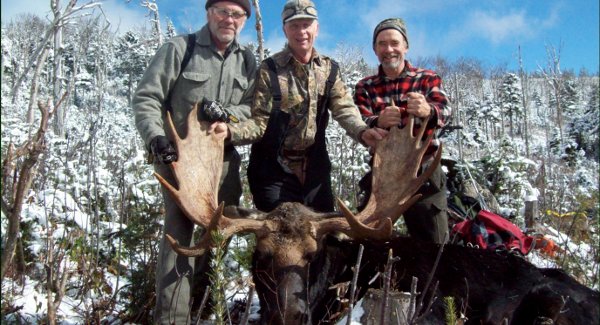
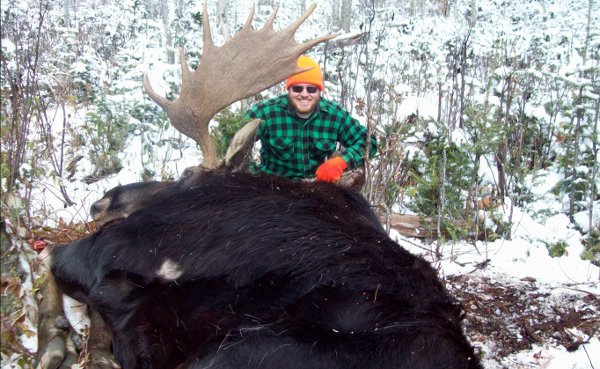
How to Call and Stalk Moose in Maine: Lessons From a Lifetime in the Woods
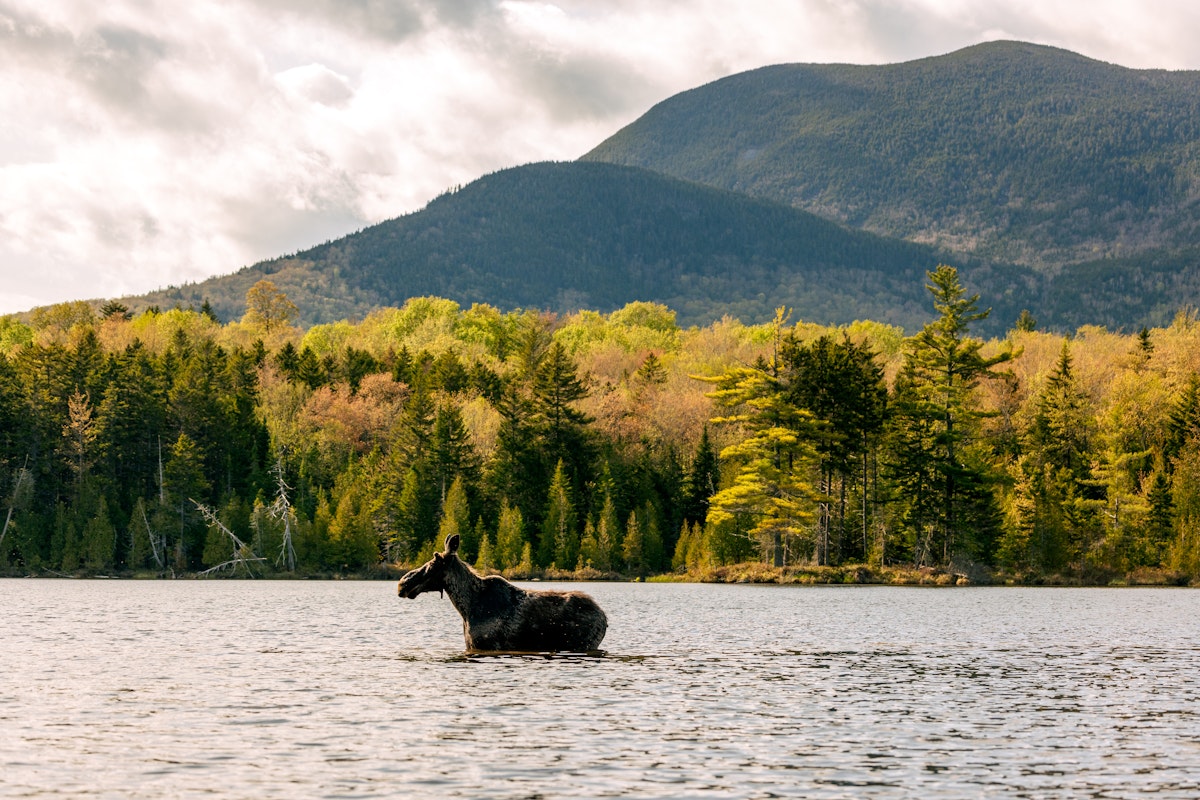
I remember my first moose hunt like it was yesterday. I was fifteen years old, sitting next to my grandfather on a damp logging road in northern Maine. He handed me a birch bark strip rolled into a cone and said "Make her come." I had no idea what I was doing. I blew into that bark and sounded like a dying duck. But something in the woods answered. A low grunt. Then another. Twenty minutes later, a cow walked out of the alders fifty yards from where we sat. I did not get a shot that day. But I learned something that stuck with me forever. Moose talking is a real thing. You just have to learn the language.
Thirty years later I have called in hundreds of moose. Some came running. Some took two hours to cover two hundred yards. And some never showed up at all. Here is what I have learned about calling and stalking the hard way, so you do not have to.
The birch bark call is still the best. You can buy plastic calls. You can buy digital calls. But a rolled up piece of birch bark sounds more like a real moose than anything else. It has a rough, breathy sound that plastic cannot copy. I keep one in my pocket on every hunt. When you use it, do not blow hard. Soft breath with a little moan in it. Imagine you are a cow moose who is interested but not desperate. That is the sound that brings bulls in.
Do not overcall. The biggest mistake new hunters make is calling too much. A bull knows when something sounds fake. If you sit there grunting every two minutes, that bull will figure out you are not a real moose. Here is my rule. Call once. Wait ten minutes. Call again. If nothing happens, wait twenty minutes and move somewhere else. Less is almost always more when you are calling moose.
Learn the different sounds. A cow moose looking for a bull makes a long, drawn out moan. It lasts about five seconds and goes down at the end. A bull grunt is short and sharp. Two or three grunts in a row means a bull is worked up and ready to fight. A calf bleat is high pitched and whiny. Each sound works in different situations. I use cow moans most of the time during the rut. But if I hear a bull grunt back at me, I throw some aggressive bull grunts at him to make him mad. Mad bulls come in fast.
The rut changes everything. Before September fifteenth, moose are quiet. They eat. They rest. They do not care about calls much. But once the rut kicks in, everything flips. Bulls start moving. They get stupid. I have seen a bull walk right past a hunter because he was too focused on finding a cow. That is when calling works best. From mid September through the first week of October, you can call moose from a half mile away. After the rut ends, they go quiet again.
Stalking is a different game. Sometimes calling does not work. Maybe the bull is not in the mood. Maybe the wind is wrong. That is when you have to stalk. Stalking a moose means moving slow and quiet through the woods. I tell my hunters to take one step and then stop. Look around. Listen. Then another step. A moose can hear a twig snap from two hundred yards. If you sound like a hunter walking through the woods, that moose will be gone before you ever see him.
Use the wind or go home. A moose nose is better than any deer nose I have ever seen. I have watched a moose smell me from four hundred yards away, turn around, and walk back into the thick stuff before I could even raise my binoculars. You cannot beat a moose nose. So do not try. Hunt into the wind. Always. If the wind is wrong, sit down and wait for it to change or find a different spot.
Move when the moose moves. Here is a trick I learned from an old Penobscot guide. If you are stalking a moose and he is walking away from you, do not try to catch him. Wait until he stops to eat or look around. Then take ten quick steps toward him. When he starts moving again, freeze. Keep doing this. Most moose will not look back. They just keep feeding. You can close a hundred yards this way without ever being detected.
Know when to give up. Some moose are just too smart. I spent three days on one bull in Zone 4 back in 2018. That old bull winded us five times. He circled behind us twice. He stood in thick cover and watched us walk past him. We never got a shot. And you know what? That was fine. That bull earned another year. Sometimes the moose wins. That is how hunting works.
The best callers are not the ones with the fanciest gear. They are the ones who have sat in the woods long enough to understand what a moose is saying. Go out there. Practice. Make mistakes. Laugh at yourself when a cow moose stares at you like you are an idiot. That is how you get better. And if you are lucky, you will have a moment like I did with my grandfather. A moose walking out of the alders. Your heart pounding. And everything else in the world disappearing for just a few seconds.