
Looking for an Awesome way to Swap your Maine Moose Permit?
Moose Swap by Maine Professional Guides Association allows you to search through our extensive collection of 2026 permits to find the perfect permit to swap with someone.
How's it Work? Create an Account

Where Moose Live in Maine: A Guide to Habitats and Hunting Zones
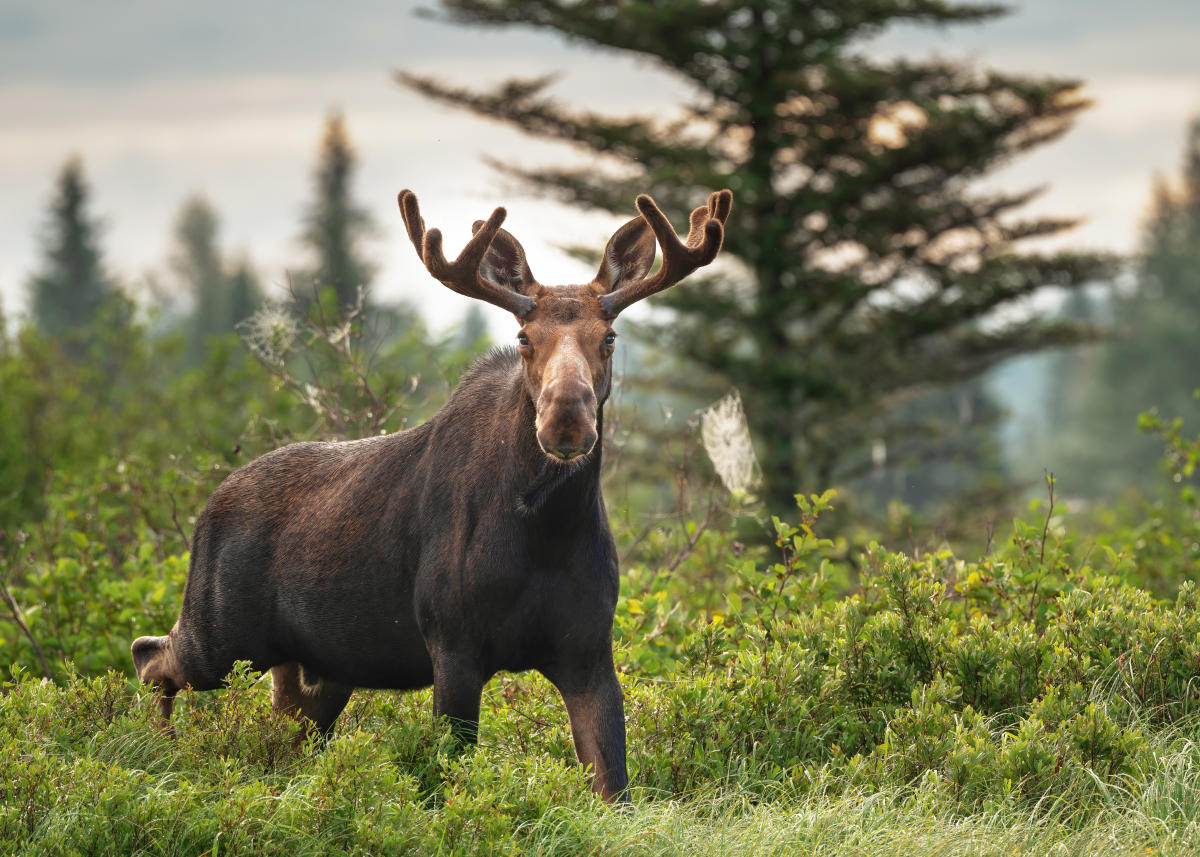
Maine is big. Really big. Over 19 million acres of forest, wetlands, mountains, and lakes. Moose live across most of it, but they are not spread out evenly. If you want to find a moose, you need to understand where they eat, where they sleep, and where they go when the weather changes. I have guided hunters in almost every part of this state. Here is what I have learned about moose habitats in Maine.
The North Maine Woods is moose country. This is the top part of the state, from Ashland up to Fort Kent and over to Allagash. You will find more moose per square mile here than anywhere else in Maine. The reason is simple. Lots of clear cuts from timber operations. Moose love young forest growth. They eat the saplings and browse that shoot up after logging. If you have a permit for Zones 1, 2, 3, or 4, you are in prime habitat. The roads are rough, and the cell service is almost nonexistent. But the moose are there.
Western mountains hold big bulls. The mountains near Rangeley, Eustis, and Jackman are different from the north woods. More hills. Thicker cover. The moose here tend to be bigger because the habitat is older and more stable. You will find them on the edges of beaver ponds and along the lower slopes of the mountains. Zone 5, 6, 7, and 8 have some of the largest antlers I have seen in thirty years. But spotting them is harder. You cannot just drive logging roads and expect to see a bull standing in the open. You have to get out and walk.
Wetlands are the best spot to start. No matter what zone you are in, look for water. Moose are built for wetlands. Their long legs let them walk through mud and shallow ponds that would stop a deer or a bear. They eat aquatic plants like water lilies and pondweed. These plants have sodium, which moose need especially in the spring and summer. On a hot day in September, a bull will often stand in a pond just to cool off and eat at the same time. I have called in more moose from wetland edges than from anywhere else.
South of Bangor is different. Moose live in southern Maine, but not in big numbers. Zones 12 through 29 have moose, but the habitat is more broken up. Farms, towns, and highways cut through the forest. Moose here are more spread out and harder to pattern. If you drew a permit for a southern zone, do not expect to see ten moose in a weekend. You might see one or two. Your best bet is to find swampy areas and logged-over land that has not been developed yet.
Timber company land is open to hunters. Most of the best moose habitat in Maine is owned by timber companies. Places like North Maine Woods, Seven Islands, and Wagner Forest. These lands are open to hunters if you follow their rules. You need a permit or a gate pass. You have to stay on marked roads. But the access is worth the paperwork. These companies manage the land for trees, but that management creates perfect moose habitat. Cut one patch of trees, let it grow back for ten years, and you have a moose buffet.
Moose move with the weather. I have seen moose disappear from an area overnight because the temperature dropped ten degrees. In early September, when it is still warm, moose stay near water and in low ground. When the rut starts around September 15, bulls start moving. They cross ridges. They follow old logging roads. They cover miles looking for cows. By late October, if there is snow, moose will often move to south-facing slopes where the sun hits during the day. You have to be ready to move with them.
Do not ignore the edges. The most productive spot in any habitat is the edge between two different types of land. Edge between a clear cut and an old forest. Edge between a wetland and a gravel road. Edge between a beaver pond and a hillside. Moose feel safe in cover, but they come out to eat. If you sit on an edge and watch, you will see more moose than if you walk straight through the middle of a forest.
Learn to read the sign. Tracks, droppings, rubs on trees, and chewed branches all tell a story. Fresh tracks with water still dripping into them mean a moose passed by minutes ago. Droppings that are still wet and shiny are from that same morning. Rubs where bark is peeled off a young fir tree show where a bull was rubbing his antlers last fall. If you see these signs, slow down. The moose is close.
Zone by zone, here is what you can expect. Zones 1, 2, 3, and 4 in the north have the highest moose density. Zones 5 through 8 in the west have bigger bulls but fewer of them. Zones 9 through 11 around Moosehead Lake are a good middle ground with lots of easy access. Zones 12 and south are for patient hunters who know how to scout.
The best advice I can give you is this. Do not drive around hoping to see a moose. Pick one habitat type. Learn it. Walk it. Sit on it. The moose are out there. You just have to be where they are and stay quiet long enough for them to show up.