
Looking for an Awesome way to Swap your Maine Moose Permit?
Moose Swap by Maine Professional Guides Association allows you to search through our extensive collection of 2026 permits to find the perfect permit to swap with someone.
How's it Work? Create an Account

North American Moose: Amazing Facts About Maine's Giant of the Woods
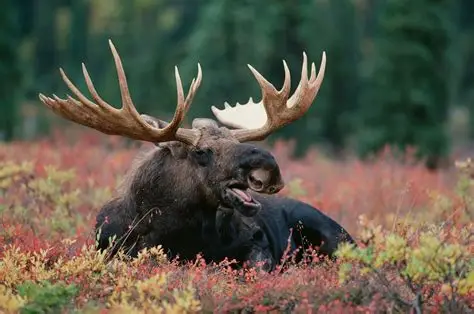
The North American moose is the largest member of the deer family. A full grown bull can make you feel very small. I have stood next to them in the Maine woods and let me tell you, they are not afraid of anything. But most people do not know how strange and wonderful these animals really are. Here are some facts about moose that might surprise you. And at the end, I will ask you a question. Do we really need to kill them to enjoy them?
How big do Maine moose get? A mature bull in Maine weighs between 800 and 1,200 pounds. Some big ones go over 1,300 pounds. Cows are smaller, between 600 and 800 pounds. At the shoulder, a bull stands about 6 to 7 feet tall. That is as tall as a basketball player. But here is the thing. Their legs are very long. A moose can walk through snow that would stop a deer cold. Their front legs are longer than their back legs, so they look like they are always leaning downhill. From nose to tail, a big bull can be 9 to 10 feet long. That is a lot of animal.
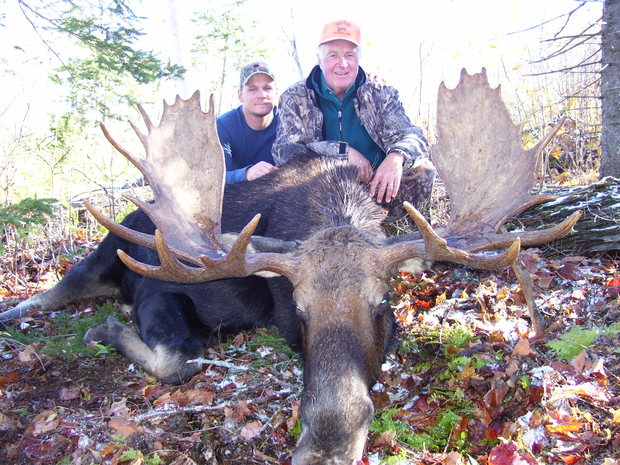
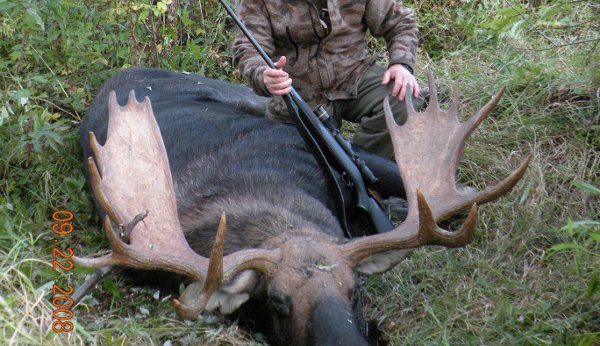
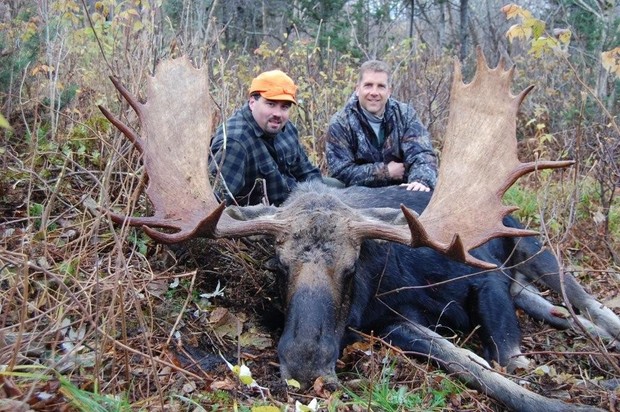
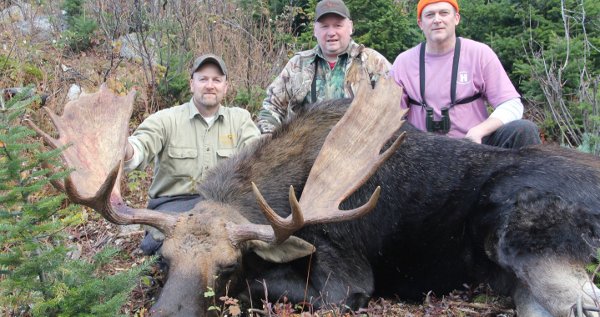
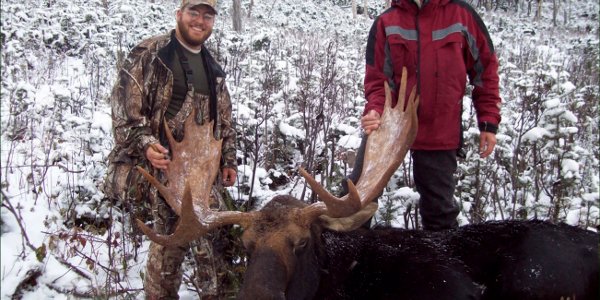
Antlers are a big deal. A mature Maine bull grows antlers that can spread 5 to 6 feet from tip to tip. The biggest ones reach almost 7 feet. Each antler can weigh 20 to 30 pounds. That means a bull carries around 40 to 60 pounds of bone on his head. And he grows a new set every single year. He sheds them in December or January, and by August the new ones are fully grown. That is about 200 days of growth. A bull can grow an inch of antler per day during peak summer. You can see why they eat so much.
What do they eat all day? A moose eats about 40 to 60 pounds of food per day. In the summer, they love water plants. Pondweed, water lilies, horsetails. These plants have sodium, which moose need to stay healthy. In the winter, they switch to woody browse. Twigs from birch, aspen, and willow. Young fir and balsam. They also eat bark off trees. A moose spends most of his day eating or resting. They do not sleep much. Maybe a few hours here and there. The rest of the time is eating, walking, or in the fall, looking for a mate.
The rut is a wild time. The moose mating season happens in late September and early October. In Maine, the peak is usually around September 25 to October 5. During the rut, bulls go a little crazy. They stop eating as much. They walk all day and night looking for cows. They make some weird sounds. A bull grunt is a short, deep sound. But the most famous sound is something called "thrashing." A bull will hit his antlers against trees and bushes. He will dig up the ground with his hooves. He will rub his smell glands everywhere. All of this is to say "I am here and I am the biggest guy in the woods."
Bulls also dig wallows. These are muddy holes where they urinate and then roll around in the mud. It sounds gross to us, but cows love it. The smell drives them crazy. When a cow is ready to mate, she will let out a long, drawn out moan. A bull can hear that sound from over a mile away. And he will come running.
How fast can a moose move? People think moose are slow and clumsy. They are wrong. A moose can run up to 35 miles per hour. That is as fast as a horse. And they can keep that speed for a long time. I have seen a moose run across a clear cut, jump over a fallen tree, and disappear into the woods before I could even raise my binoculars. Do not ever think you can outrun a moose. You cannot.
Swimming is where they really shine. Moose are amazing swimmers. They can swim at 6 to 10 miles per hour and keep going for several miles. They can stay underwater for up to a minute. They will dive down to eat plants on the bottom of ponds and lakes. I have seen moose swimming across lakes so wide you could barely see the other side. Their hollow guard hairs trap air and help them float. A moose actually likes being in the water. On a hot summer day, you will often find them standing in a pond with just their head sticking out.
Moose calves are tough little things. A cow moose usually gives birth to one or two calves in late May or early June. A newborn calf weighs about 25 to 35 pounds. That is small compared to a 1,000 pound mother. But they grow fast. By the time fall comes, a calf can weigh over 300 pounds. Calves stay with their mother for about a year. She will chase them off right before the next calf is born. A mother moose is very protective. I have seen a cow charge a black bear that got too close to her calf. The bear ran away fast.
Predators and dangers. Adult moose do not have many enemies. A healthy bull can kill a bear or a pack of coyotes with one kick of his front hoof. Those hooves are sharp and powerful. The real danger for moose is not animals. It is winter ticks. These tiny bugs can cover a moose by the thousands. A bad infestation can kill a young moose. The other danger is cars. Thousands of moose are hit by vehicles every year in North America. A moose is tall and dark. When you hit one with a car, the body comes through the windshield. It is very dangerous for both the moose and the people in the car.
Moose sounds are weird. People think moose just grunt. They make all kinds of noises. A cow moose can sound like a cow on a farm. A bull grunt is deep and short. Calves make a high pitched bleat that sounds like a sheep. During the rut, bulls also make a sound called "tending grunts." It is a series of short grunts, almost like a hiccup. If you hear that in the woods, you better pay attention. A tending bull is a bull that has found a cow and does not want to share. Anyone or anything that gets close might get charged.
Where do they go in winter? Moose do not hibernate. They stay active all winter. But they do change where they live. In deep snow, they move to areas with thick conifer cover. The trees block the wind and catch the snow, so the ground is not as deep. This is called a "moose yard." Several moose might share the same yard. They pack down trails in the snow. These trails can be used for years. In the spring, when the snow melts, they spread back out.
How many moose live in Maine? The Maine moose population is about 60,000 to 70,000 animals. That is the biggest population in the lower 48 states. Alaska has more, but that is a different place. The population goes up and down depending on winter ticks and how hard the winters are. Maine manages the moose hunt carefully to keep the population healthy. Each year, about 3,000 to 4,000 permits are given out in the lottery.
Here is a question for you. After reading all this, do you really want to shoot one? Think about it. A moose is a giant animal with feelings and a family. It swims and runs and raises its babies just like us in some ways. More and more people are choosing a different kind of hunt. It is called a photo hunt.
Instead of carrying a rifle, you carry a camera. Instead of looking for a shot, you look for the perfect light. Instead of ending a life, you capture a moment. A photo hunt is just as exciting as a real hunt. Maybe more. Because you have to get close. You have to be quiet. You have to know the animal. And at the end, you have a picture you can show your friends. The moose walks away. You walk away happy. Everyone wins.
Some Maine guides now offer photo safaris. They will take you into the woods with a camera. You can watch moose feed, swim, and fight. You can hear them call in September. You might even see a calf playing in a pond. No blood. No gut piles. Just memories and photos. And next year, that same moose might still be there. Bigger. Wiser. Waiting for another photo.
I am not telling anyone to stop hunting. Hunting is legal and it helps manage the population. But I am asking you to think. Why do you hunt? Is it for meat? Is it for the challenge? Or is it just because you always have? Before you pull the trigger on a moose, stop for a second. Look at him. Watch him. Then decide. Maybe this year, you try something different. Maybe this year, you leave the gun at home.